Does Teacher Preparation Coursework Really Make a Difference?
April 2018
US PREP Coalition Members Engage in Course Reform using the Design-Based Research Process
Does teacher preparation coursework really make a difference?
Teacher educators from eight universities are collaborating to address the theory to practice chasm. Together, they have reformed their courses to include a balance of research-based knowledge and practical, real-world techniques that help teacher candidates develop and master key skills. Through the Design-Based Research (DBR) process, teacher educators open their doors to one another and measure their curriculum and instruction to examine the impact it has on teacher candidates’ readiness to teach.
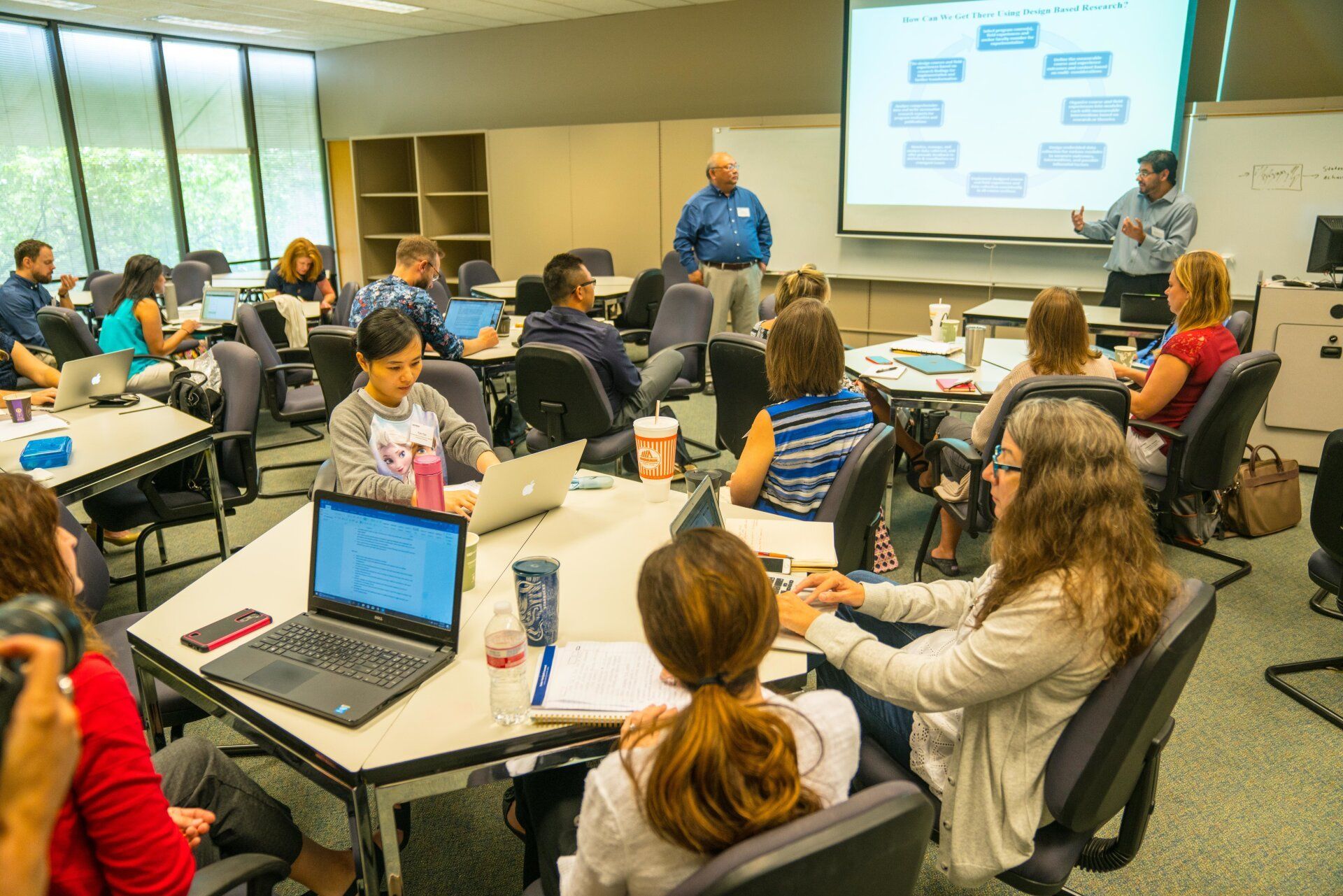
Design-based research is a strategy which draws on tools of scientific inquiry to engage problems of local practice, using iterative cycles of assessment, design, implementation, and evaluation. This past February, US PREP hosted its fourth Design-Based Research Symposium, led by Professors Jian Wang and Raymond Flores of Texas Tech University. The Symposium featured reports from a variety of US PREP teams who are using regular cycles of data collection and evaluation to make course improvements in critical content areas such as literacy, mathematics, and special education.

“The Symposium provided a forum for DBR leaders and coaches, department chairs, faculty and graduate students to share the successes and challenges related to their experiences with implementing DBR across their teacher preparation programs,” said Wang.
The symposium offered concrete examples of DBR module design, implementation, challenges, and challenge resolutions associated with the design and implementation.
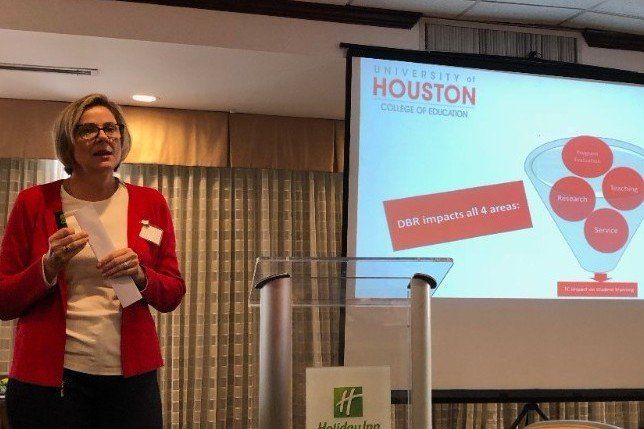
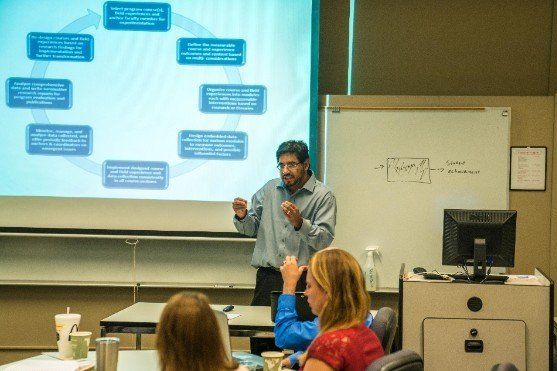
The changes in coursework content and pedagogy reported by each of these programs were impressive. Cap Peck, a professor from the University of Washington reflected, “I often found myself scribbling madly to capture one or another innovation in practice to take back to my own institution. But the thing that struck me most during the Symposium was what was on display about DBR as a learning process.”
Many teacher education programs around the country have struggled to get their heads above the pressure and pace of daily practice in ways that allow them to learn from their own experiences. DBR offers a powerful and useful learning strategy for teacher education programs that seek to improve their practice.